
Zoer
Generate production web apps from database schemas.
10,172
Votes
15,552
Views
6,882
Bookmarks
About
Zoer is an AI app builder that creates full stack web applications starting from data models and backend logic instead of only drawing pretty interfaces. Users describe it as a backend first “vibe coding” agent that turns database schemas and natural language prompts into working apps. It uses modern large language models to plan the schema, generate backend and API logic, then layer on a production ready UI. Zoer targets developers, technical founders, and teams who want AI speed without giving up structure, code ownership, or sane database design.
Key Features
- Backend‑first generation: Starts from database schemas or high level descriptions, designs tables and relationships, then generates backend logic and frontend screens on top.
- Zoer Database, auth, and payments: Ships with its own app database layer plus built in authentication and Stripe Payment support so common SaaS plumbing is auto wired.
- Zoer Copilot: An integrated AI coding assistant that edits generated code, adds custom logic, or fixes issues from natural language instructions.
- Projects, publishing, and code export: Supports private projects, publishing apps to a community gallery, attaching a custom domain, and downloading the full codebase for self hosting.
Pros
- Production‑minded approach: Schema and backend first flow tends to produce apps that are more maintainable than UI‑only generators.
- Fast generation: Community reports highlight very quick creation of landing pages, dashboards, and chat interfaces with minimal manual fixes.
- Own the code: Downloadable codebases make it easier to audit, extend, or migrate away if needed.
- Built‑in SaaS essentials: Authentication, Stripe integration, and database handling reduce boilerplate work for typical web apps and internal tools.
Cons
- Young product: As a newer entrant, Zoer may still have occasional rough edges and evolving best practices.
- Integration breadth: Beyond Stripe and core database features, out‑of‑the‑box integrations appear narrower than long‑standing no code platforms.
- Enterprise needs: Public information focuses more on developer speed than on formal compliance, so heavily regulated teams will need extra due diligence.
Who Uses It
- Indie Hackers and Solo Founders: Turning database ideas into SaaS MVPs and early customer portals.
- Startup Engineering Teams: Spinning up internal tools, dashboards, and admin panels around existing schemas.
- Agencies and Freelancers: Delivering data‑driven client dashboards and lightweight web apps on short timelines.
- Data and Operations Teams: Building CRUD interfaces and simple analytics views over operational databases.
- Uncommon Use Cases: Adopted by coding bootcamps to teach schema‑first app thinking; Used by hackathon organizers to help participants ship production‑style backends quickly.
Pricing
- Starter: $10 per month. Includes 300 credits per month, up to 30 apps (public and private), free use of Zoer’s database service, removal of Zoer branding, code export, web publishing, and standard email support.
- Pro: $30 per month. Includes 1,000 credits per month, everything in Starter, unlimited apps (public and private), unlimited database records, custom domain, and priority support.
- Max: $99 per month. Includes 3,500 credits per month, everything in Pro, more affordable credit volume, prioritized access to new features, free domain name security certificate, and dedicated customer service support.
You may also like
More tools in Code Tools

AI Magicx
AI Magicx enhances creativity with AI-driven design and coding.
Ref Tools
A tool to provide documentation context for AI coding agents.
Symphony
Symphony is an innovative platform designed for users who want to streamline their interaction with programs through conversational interfaces. By enabling you to "write programs you can talk to," Sym

Unity AI
Unity AI enhances game development by integrating an in-editor assistant that automates tasks, generates assets, and simplifies workflows. It helps creators focus on building by handling repetitive ta

MakeForms
MakeForms’ AI Form Builder helps create responsive and customizable forms in just a few minutes by leveraging AI-powered suggestions for question types and form fields. Just provide the Form Name and
Tabnine
Unlock rapid, secure coding with AI-driven personalized suggestions across IDEs.
Code Genius
Streamlines React, Vue JS, and Tailwind CSS development.
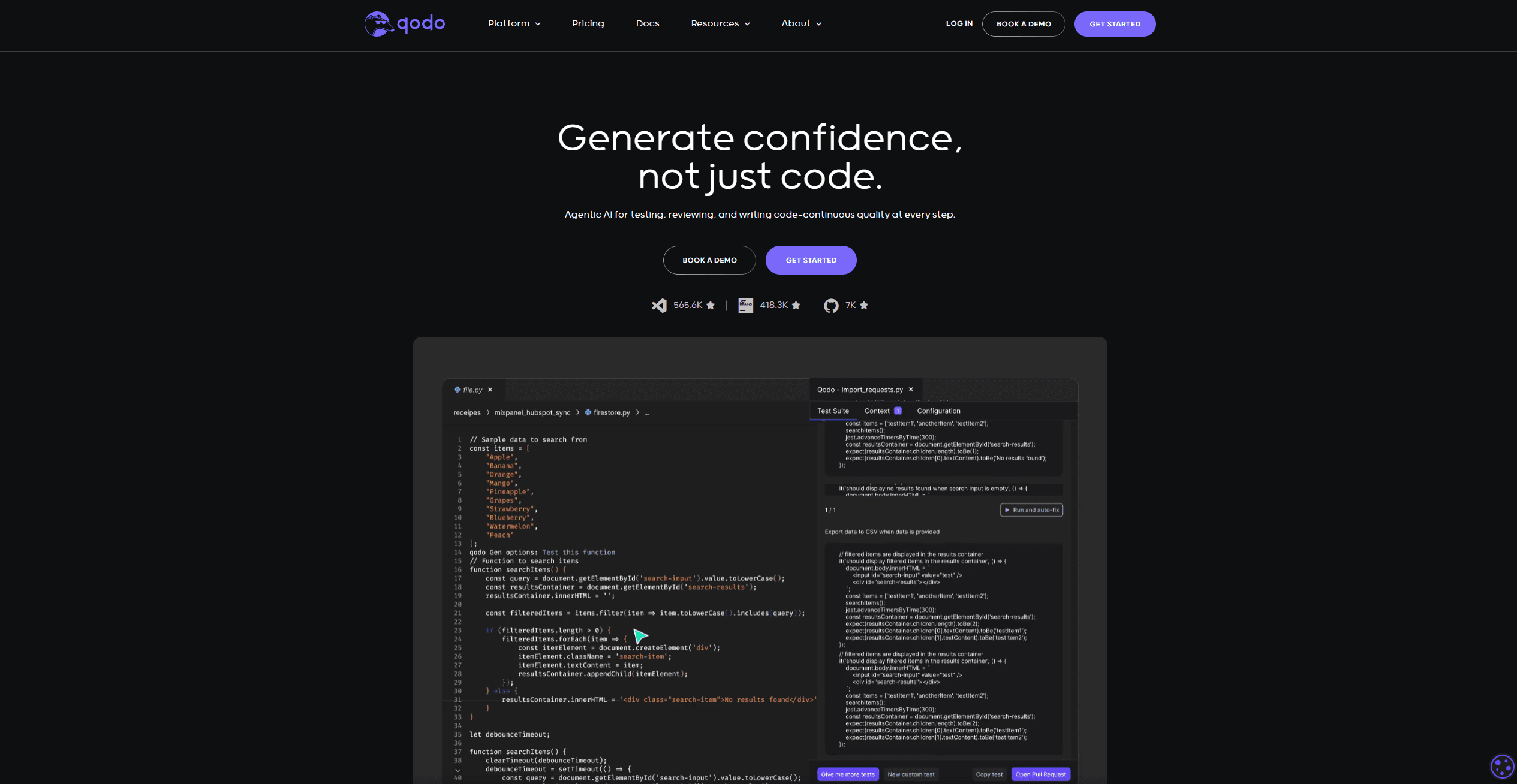
Qodo
Automates code reviews, test generation, and quality assurance.
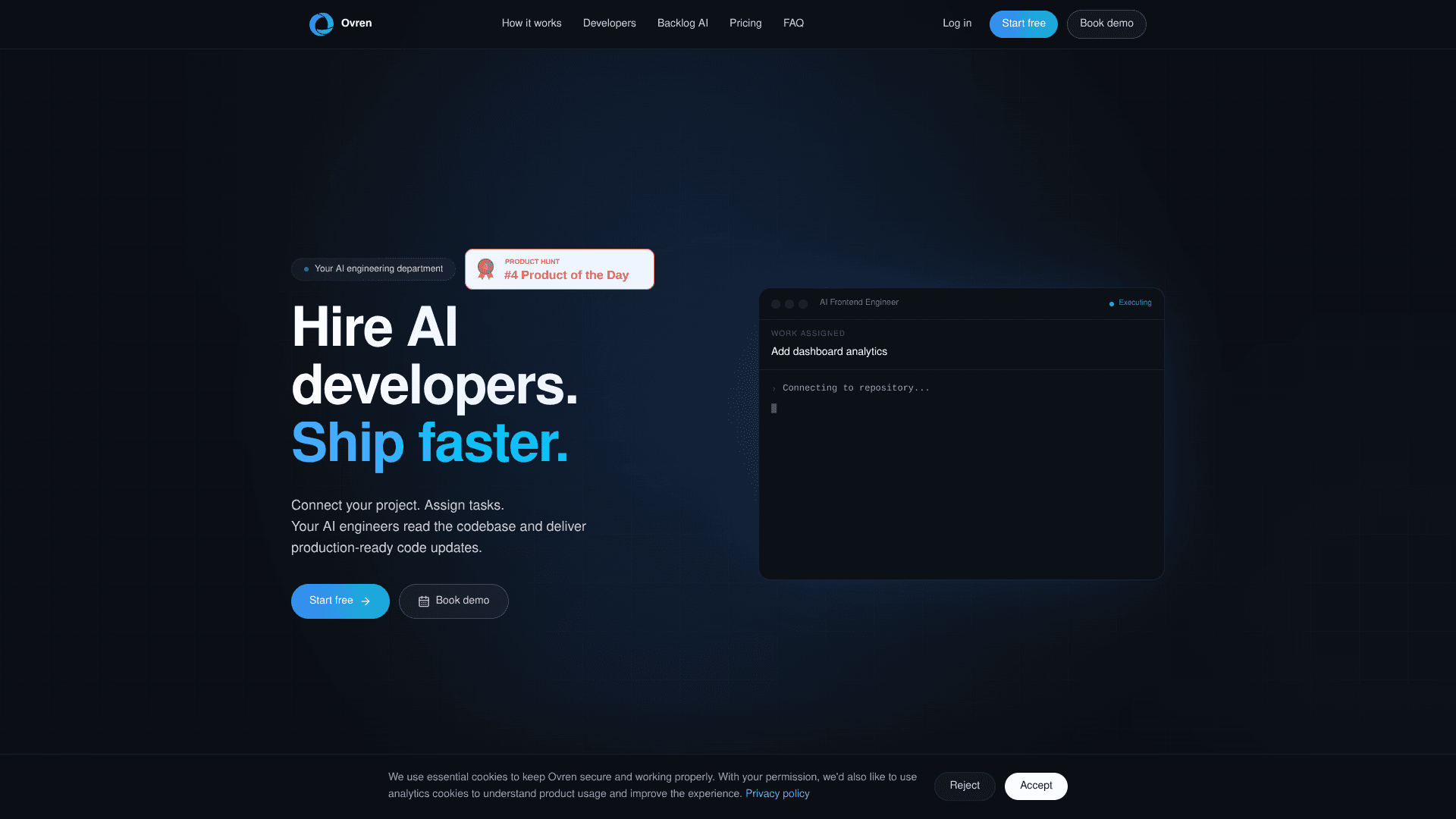
Ovren
Turn GitHub tickets into reviewable production-ready code.
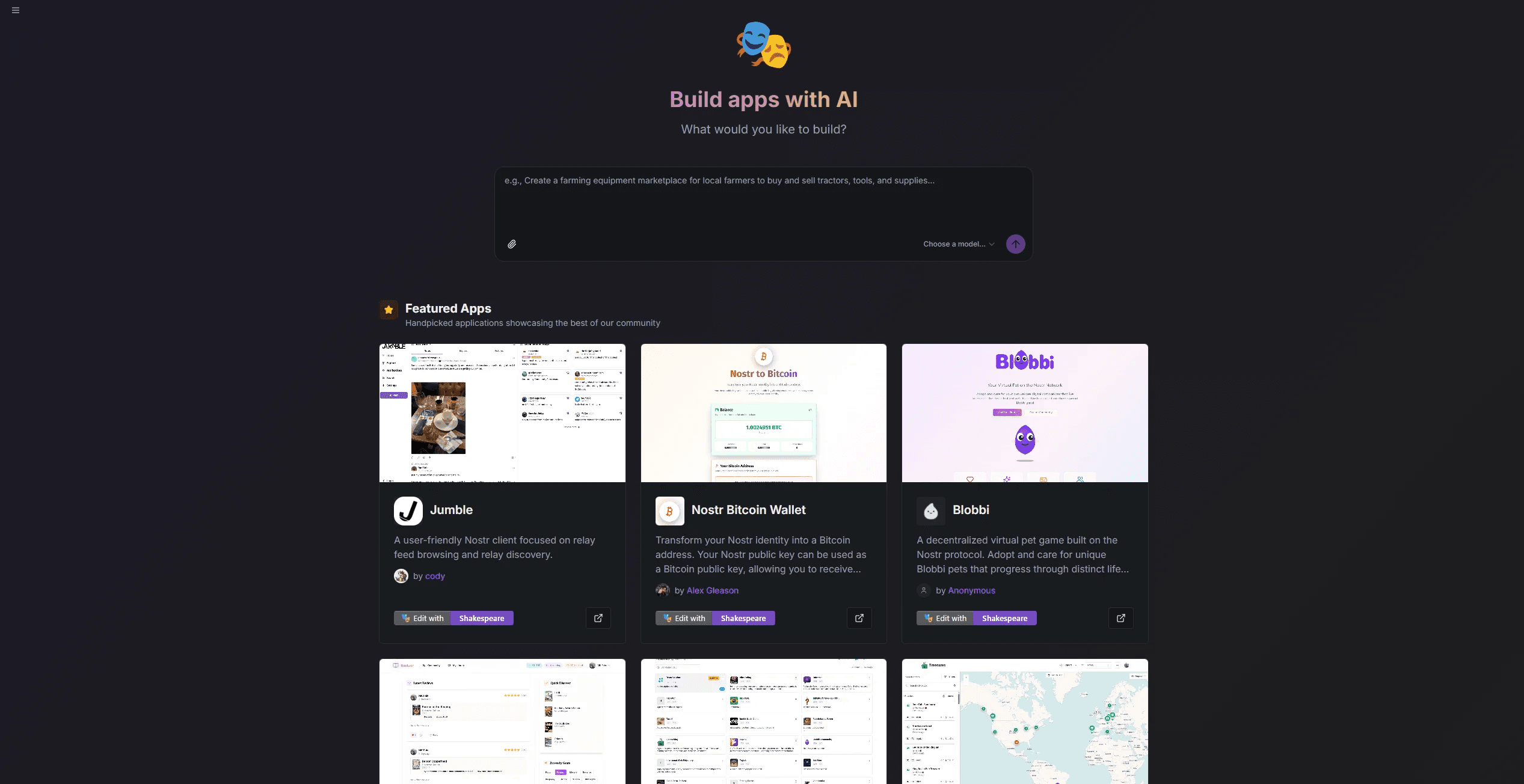
Shakespeare
Build, edit, and deploy fully customizable AI websites.
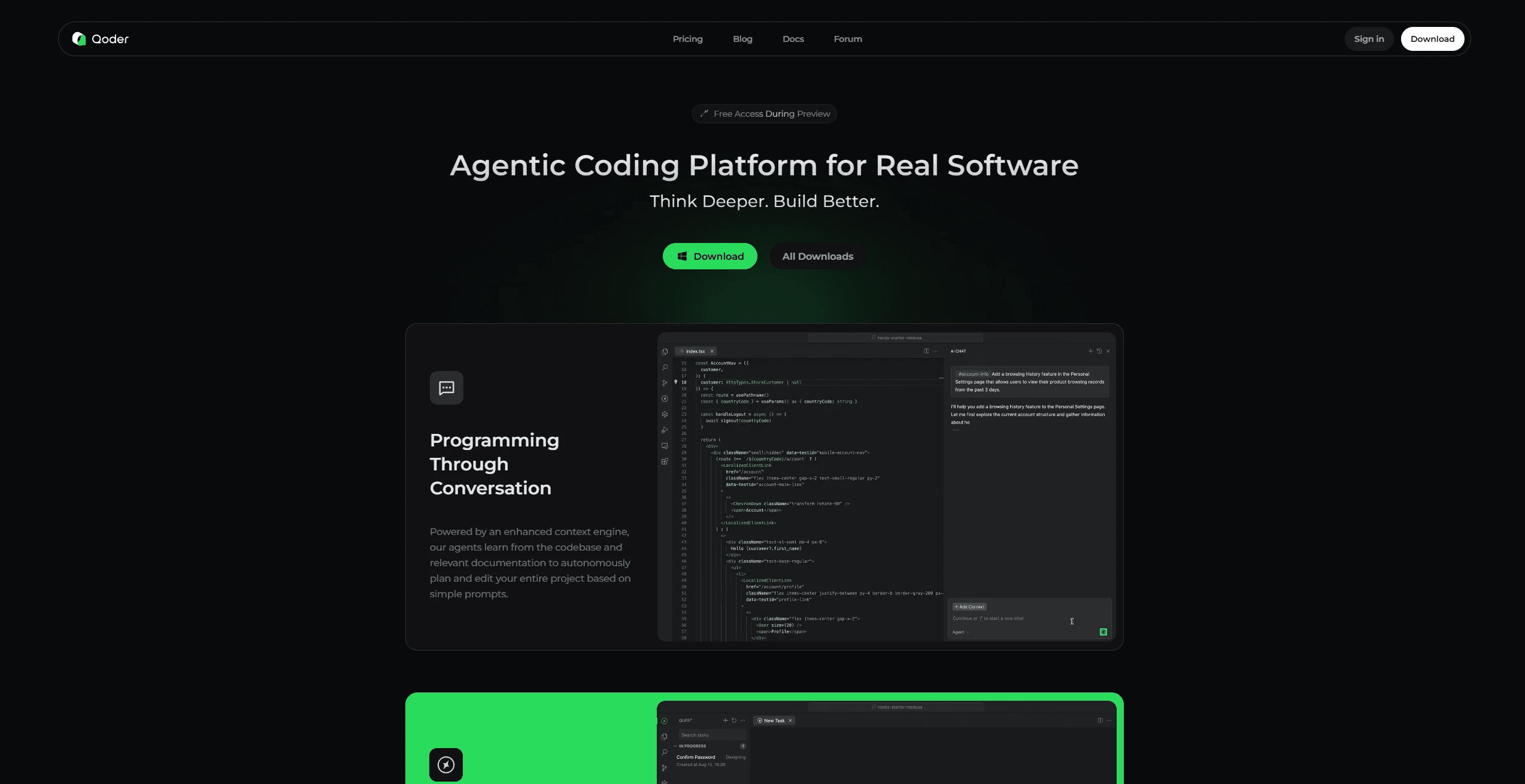
Qoder
Enhance coding efficiency with AI-driven insights.

CodeGate
A local proxy that enhances security for AI-assisted coding.