
TinyFish
Browse sites, pull data, and finish workflows.
10,902
Votes
13,104
Views
6,917
Bookmarks
About
TinyFish is an AI web agent tool built for teams that need live web actions rather than static scraped data. It turns plain-English goals into browser actions, then navigates websites, logs in, extracts data, and completes workflows through a visual workbench or API. It is aimed more at developers, ops teams, and enterprise workflows than casual users, and that focus is part of its appeal.
Key Features
- Natural language control: Users describe a task in plain English instead of writing selectors or XPath.
- Live execution streaming: Runs can be watched in real time with streaming events and browser previews.
- Stealth and proxy options: TinyFish offers anti-detection browser modes and geo-targeted proxy support for harder sites.
- Parallel agent runs: Plans support from 2 to 50 concurrent agents for higher-volume workflows.
- Workbench, API, and MCP access: Teams can build visually or connect TinyFish to code-based and assistant-driven workflows.
- Works on messy real-world websites: It supports dynamic sites, authenticated systems, and multi-step workflows.
- Built for scale: TinyFish is clearly made for repeated, high-volume web operations, not one-off tinkering.
- Good observability: Screenshots, run history, and live previews make debugging far less annoying.
- Clear cost structure: Browser, proxy, LLM, and anti-bot costs are bundled, which is refreshingly less sneaky than many usage-based tools.
- Not especially beginner-first: The product language and setup lean toward technical or workflow-heavy teams.
- CAPTCHA handling is still limited: TinyFish states CAPTCHAs cannot currently be solved automatically.
- Public integration detail is fairly light: API and MCP support are clear, but the site exposes fewer ready-made app details than some rivals.
Who Uses It
- E-commerce and retail teams: For product matching, pricing checks, and checkout monitoring.
- Travel and hospitality businesses: For hotel availability, rate monitoring, and property data collection.
- Sales and lead generation teams: For structured lead extraction from conference and company websites.
- Developers and operations teams: For browser automation through APIs, async runs, and agent-based workflows.
- Uncommon use cases: Sports scouting across global sources and healthcare portal unification stand out as more unusual but very fitting uses.
Pricing
- Pay-as-you-go: $0.015 per step. Includes 2 concurrent agents, remote browser at $0 per hour, residential proxy at $0 per GB, all LLM costs included, anti-bot protection, 30-day run history, and email support.
- Starter: $15 per month. Includes 1,650 steps per month, 10 concurrent agents, remote browser at $0 per hour, residential proxy at $0 per GB, all LLM inference costs included, anti-bot protection, 30-day run history with observability and screenshots, priority email support, and TinyFish Workbench, API, and MCP integration. Overage is $0.014 per step.
- Pro: $150 per month. Includes 16,500 steps per month, 50 concurrent agents, remote browser at $0 per hour, residential proxy at $0 per GB, all LLM inference costs included, anti-bot protection, 180-day run history with observability and screenshots, priority email plus Slack/Discord community access, and TinyFish Workbench, API, and MCP integration. Overage is $0.012 per step.
- Enterprise: Custom pricing. Includes custom workflows, custom step volume, custom concurrent agents, custom auditability, advanced security and compliance, dedicated support engineer, custom SLA and contracts, and on-premise deployment options.
You may also like
More tools in AI Chatbots
One AI
Boost website engagement and sales with adaptive AI-driven interactions.
Tektonic AI
Streamline sales and revenue operations with advanced AI-driven automation.
Ada
Revolutionize customer service with AI across all digital platforms.
Retell AI
Create lifelike AI voice agents, deploy anywhere, analyze real-time.

Replicate
Unlock AI's potential: run, fine-tune, deploy models easily and cost-effectively.
Heidi
Streamline healthcare admin tasks, and enhance patient focus.
UiPath
Streamline workflows with AI-driven automation and seamless integration.

Replika
AI companion for personalized chat, emotional support, and self-growth.

RowSpeak
Turn messy spreadsheets into clear, ready reports.
MyMemo AI
Transform digital chaos into an organized, AI-enhanced knowledge oasis.
Inworld
Elevate game development with dynamic NPCs, immersive worlds, and AI-driven content creation.
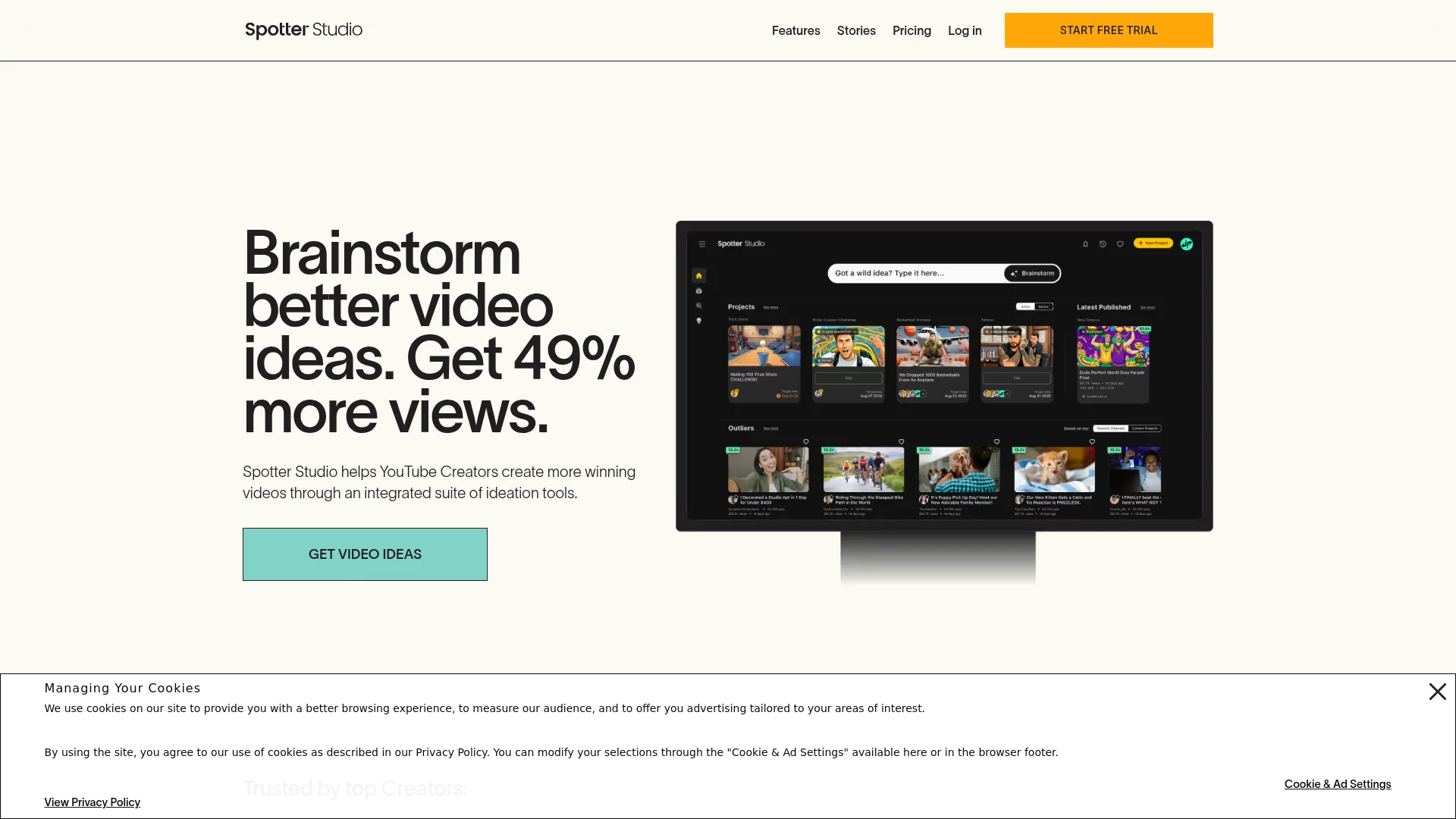
Spotter Studio
Streamlines YouTube content ideation with data-driven insights.