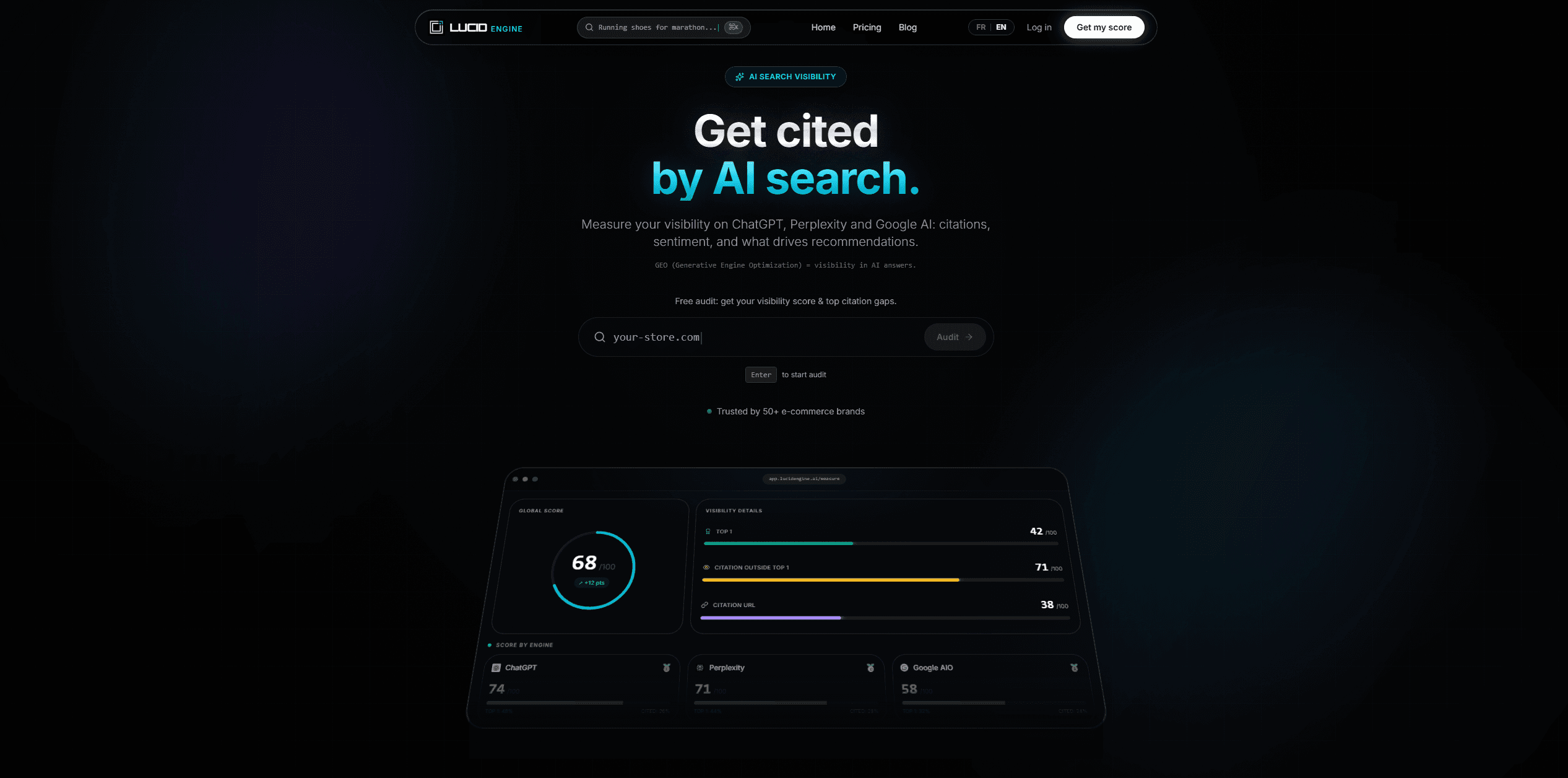
Lucid Engine
See and grow your store's visibility in AI.
12,607
Votes
11,853
Views
7,233
Bookmarks
About
Lucid Engine focuses on AI search visibility for e‑commerce brands, showing how often and how prominently a store is cited in answers from ChatGPT, Perplexity, and Google’s AI Overviews. It treats Generative Engine Optimization (GEO) as a measurable channel, combining AI visibility scoring, competitor benchmarking, and a prioritized fix list so teams can win more AI recommendations instead of guessing what models see.
Key Features
- AI Visibility Audit: Provides a baseline score that blends citations and prominence across ChatGPT, Perplexity, and Google AI, including separate sub‑scores for top‑position presence and citation quality by URL.
- Competitor Radar & Share of Voice: Maps which brands AI engines recommend instead, with share‑of‑voice charts that compare a brand against rivals like Nike, Adidas, or Gymshark across monitored prompts and engines.
- Action Backlog with P0/P1/P2 Priority: Translates visibility gaps into a clear backlog, flagging critical P0 issues such as missing product information or 404s, along with estimated impact percentages, so teams know what to fix first.
- Live Tracking & Alerts: Monitors strategic prompts daily and highlights when a brand drops out of the top three or when new competitors appear, with alerting designed for channels like Slack and dashboards showing volatility over recent model updates.
- Geo & Sentiment Intelligence: Runs identical prompts from different cities, surfaces which sources drive AI answers (Reddit, GQ, Trustpilot, YouTube, and others), and exposes sentiment, recurring adjectives, and topic gaps that shape how engines describe a brand.
- E‑commerce Stack Integrations: Aligns with Shopify, Magento, and WooCommerce, reflecting its focus on catalog‑driven brands that need AI to mention products correctly in shopping‑type queries.
Pros
- AI‑native GEO focus: Built specifically around being cited in AI answers rather than classic blue‑link SEO rankings.
- Actionable diagnostics: The P0/P1/P2 backlog and impact estimates turn abstract visibility scores into concrete next steps for content, schema, and technical fixes.
- Strong competitive context: Share‑of‑voice visualizations make it easy to spot rising rivals and shifting AI preferences before traffic drops show up in analytics.
- Monitoring of model shifts: Volatility timelines and continuous prompt tracking help teams link visibility swings to AI model updates instead of guessing what changed.
- Geo and source breakdowns: City‑level answers, sentiment, and source‑type splits (brand, editorial, UGC, marketplaces) provide more nuance than a single blended score.
Cons
- E‑commerce centric: Brands outside transactional or catalog‑driven use cases may find some depth, such as SKU‑level actions, less relevant.
- Prompt quality dependency: Insights depend heavily on how well strategic prompts are chosen and maintained, which can be a new skill set for many teams.
- Early category maturity: GEO as a practice is still young, so linking visibility scores directly to revenue outcomes will take testing and internal education.
Who Uses It
- E‑commerce Retailers: Tracking how AI assistants recommend their products in shopping‑oriented queries and where competitor brands are preferred.
- Direct‑to‑Consumer Brands: Measuring AI share of voice in lifestyle, fashion, beauty, and home categories, and aligning PR, reviews, and content with what models quote.
- Performance Marketing & SEO Teams: Using GEO insights to complement paid and organic search, feeding the P0/P1/P2 backlog into existing sprint workflows.
- Marketplaces and Multi‑brand Retailers: Understanding which brands in their catalog AI tends to mention, and where to push content or reviews to close gaps.
- Uncommon Use Cases: Used by PR and communications teams to audit narrative and sentiment in AI answers before major campaigns; adopted by investor or research teams as an extra signal when assessing brand strength and share of attention in AI assistants.
Pricing
- Discovery Plan: $55 per month; early access pricing for 3 months, then $99 per month. Includes 1 brand, 1 country, 60 prompts, up to 3 personas, weekly refresh, and email support.
- Growth Plan: $449 per month; includes 1 brand, 3 countries, 200 prompts, up to 5 personas, weekly refresh, and priority support.
- Enterprise Plan: $549 per month; includes custom brand, country, prompt, and persona counts, personalized support, and a custom engine configuration.
You may also like
More tools in Marketing
One AI
Boost website engagement and sales with adaptive AI-driven interactions.

MolyPix.AI
Transform text into stunning, editable designs instantly.
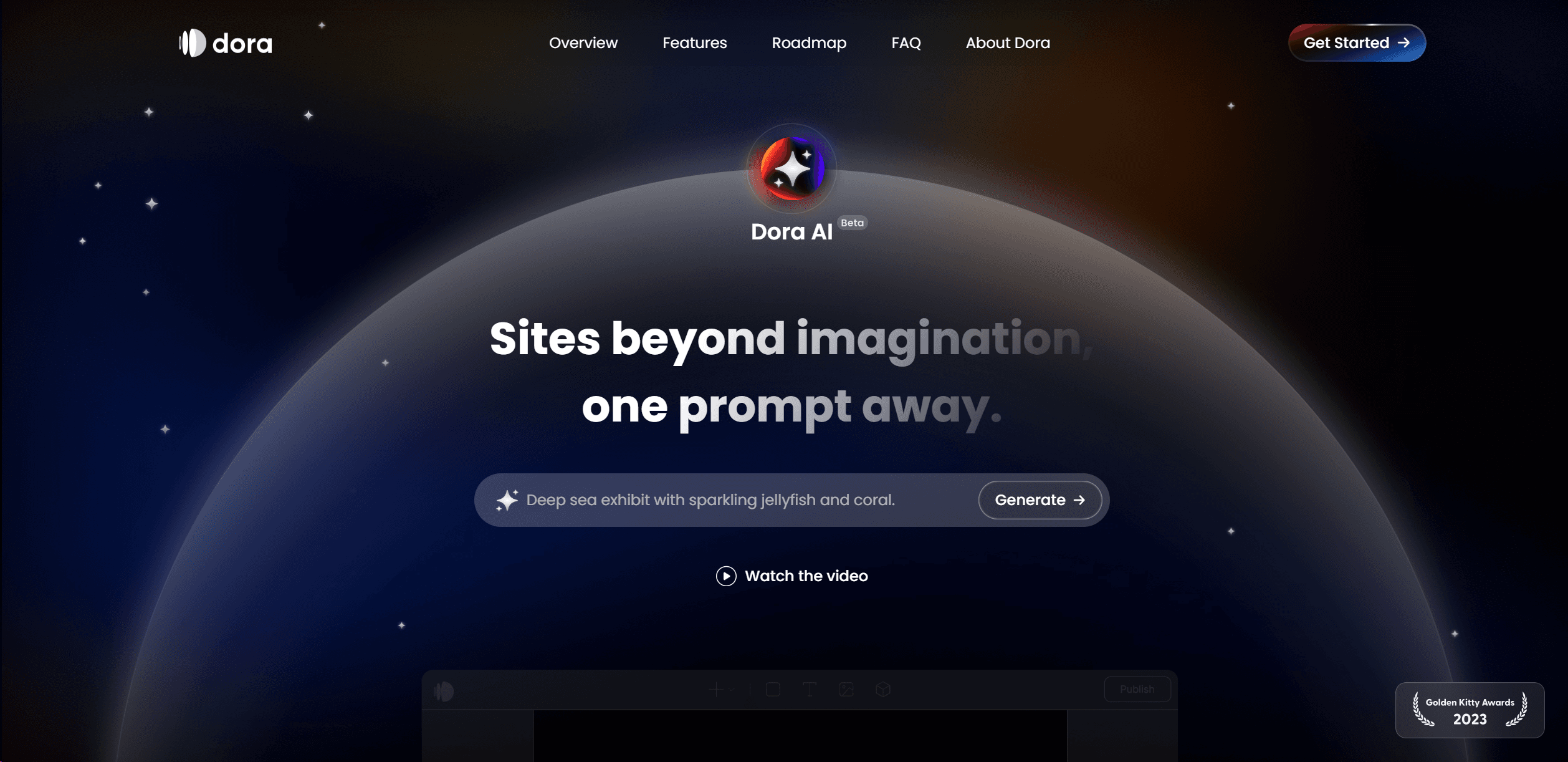
Dora AI
Revolutionize website creation with AI: unique, prompt-driven designs made simple.

Ideogram
Transform text to stunning visuals with AI, enhancing creativity and collaboration.
AI2image
AI creates custom images from English descriptions in seconds.
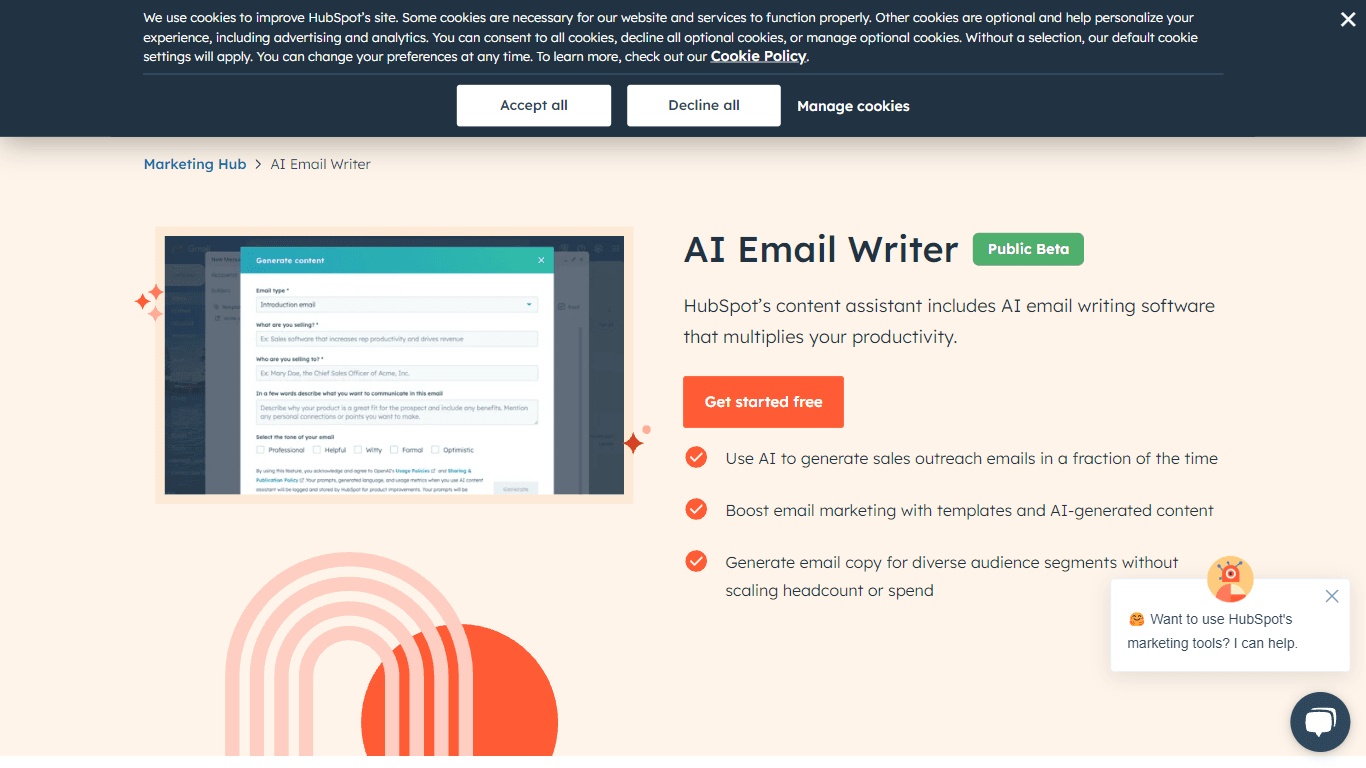
AI Email Writer | HubSpot
The HubSpot AI Email Writer is a groundbreaking tool designed to revolutionize your sales outreach and email marketing strategies. By harnessing the power of AI, this tool significantly cuts down cont

Goran AI
A tool to transcribe and analyze sales calls.
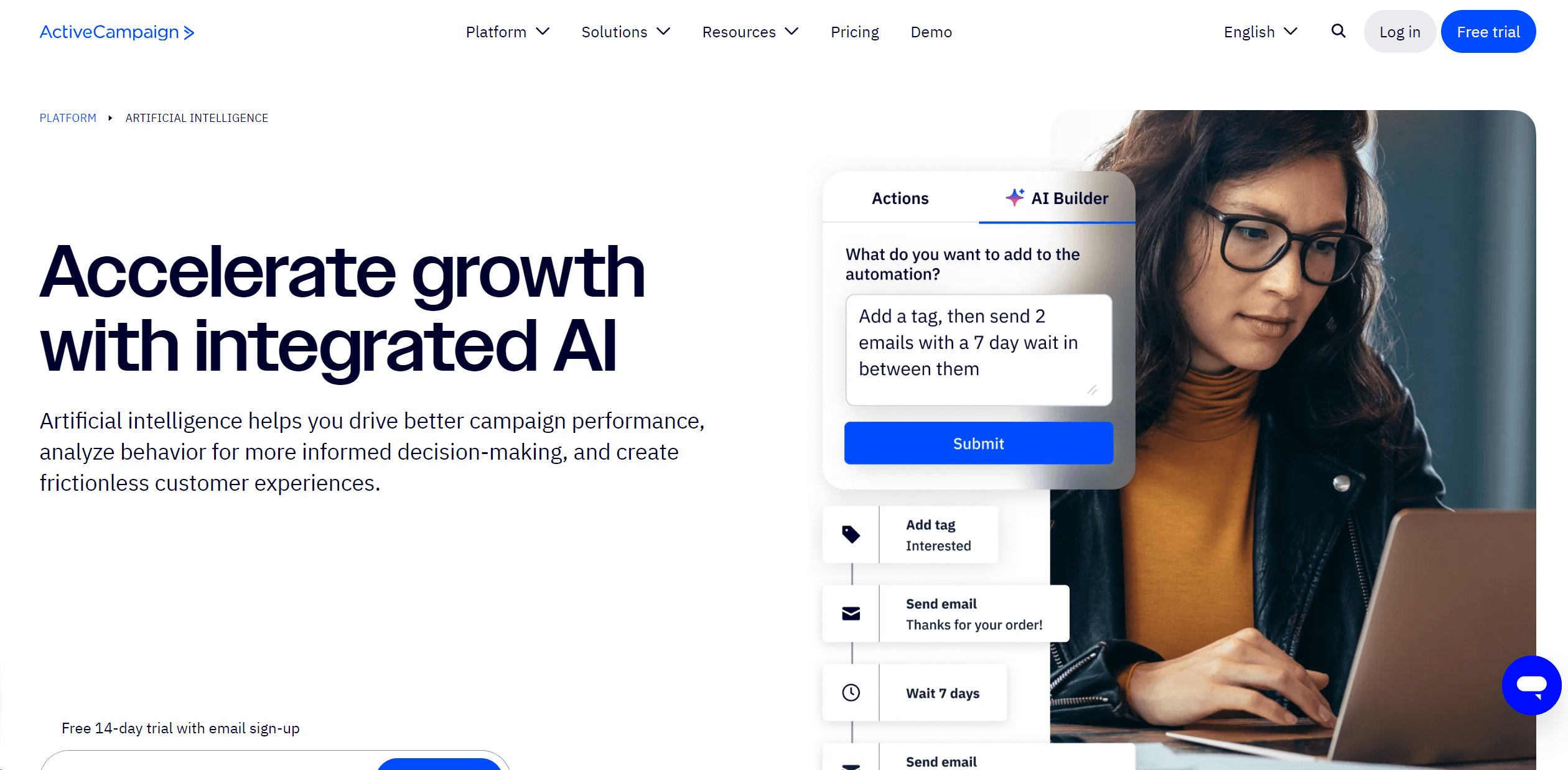
ActiveCampaign AI
Boost marketing with AI-driven campaign optimization.

Distribution AI
A platform for content distribution across digital channels.
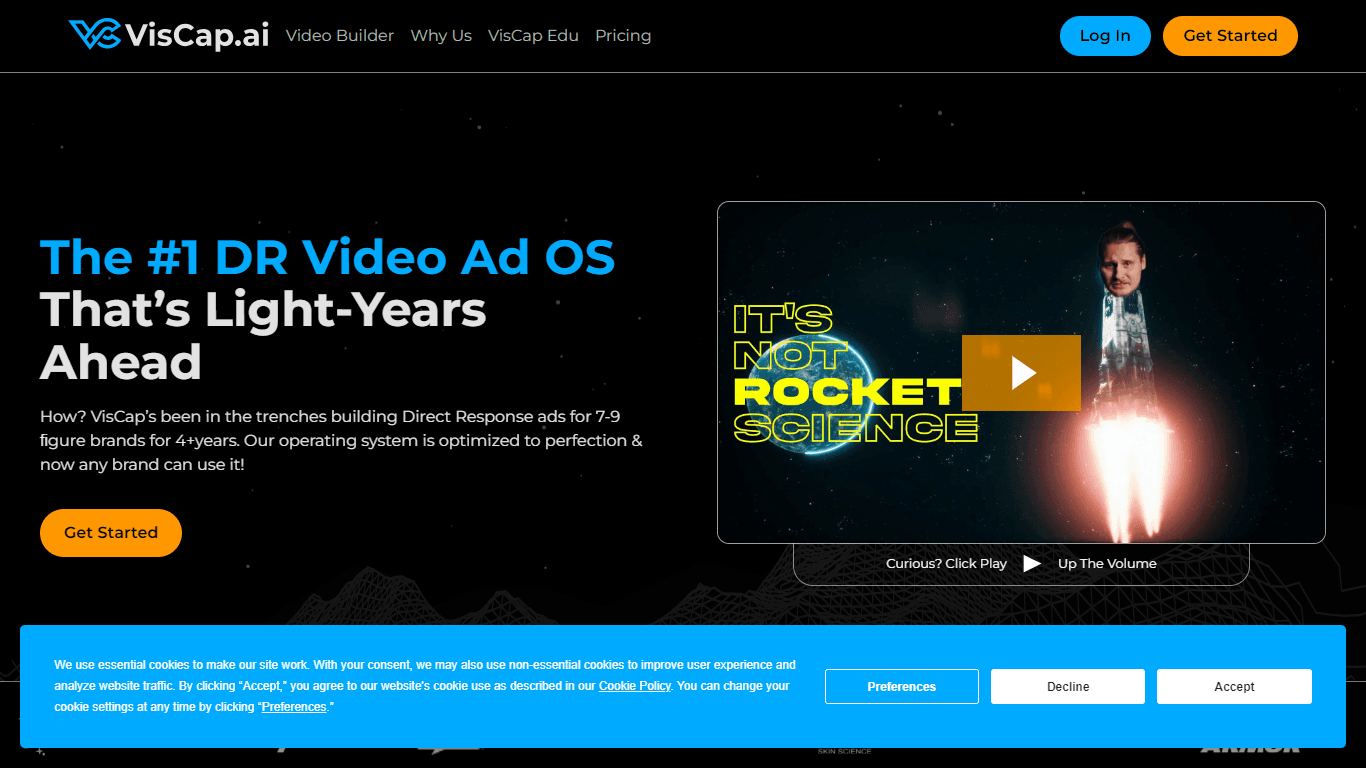
VisCap.ai
VisCap.ai is your go-to platform for cutting-edge Direct Response (DR) video advertisement solutions. Leveraging over four years of expertise in building high-converting ads for 7-9 figure brands, Vis
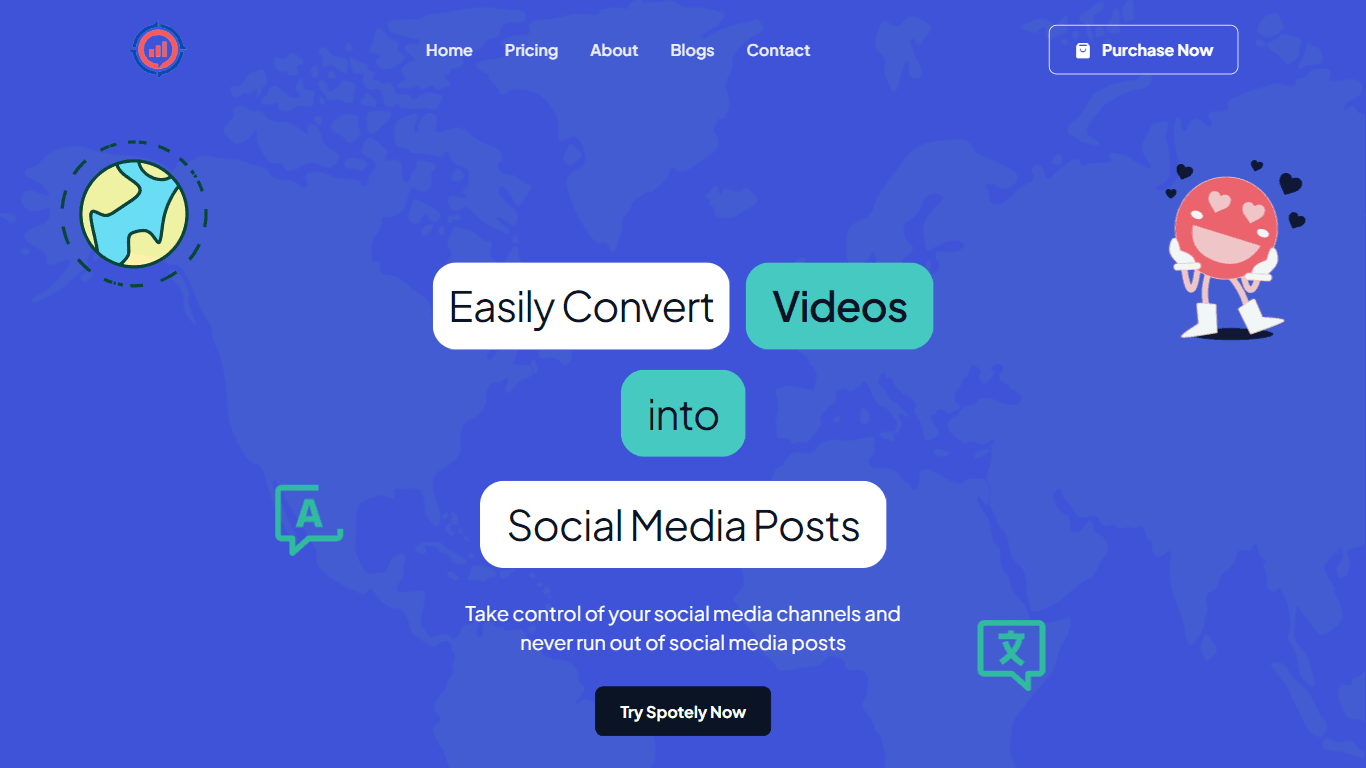
Spotely
Spotely is a cutting-edge platform designed to transform lead generation through social selling and brand amplification. By tapping into the power of AI, it creates highly effective social media posts
Spoke.ai
AI-powered tool revolutionizes team communication and project management.